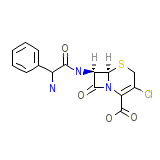
RAN


RAN Brand names, RAN Analogs
RAN Brand Names Mixture
- No information avaliable
RAN Chemical_Formula
C15H14ClN3O4S
RAN RX_link
http://www.rxlist.com/cgi/generic/cefaclor.htm
RAN fda sheet
RAN msds (material safety sheet)
RAN Synthesis Reference
R. R. Chauvette, U.S. Pat. 3,925,372 (1975)
RAN Molecular Weight
367.808 g/mol
RAN Melting Point
327 oC
RAN H2O Solubility
8.6 mg/mL
RAN State
Solid
RAN LogP
0.517
RAN Dosage Forms
Capsule; Powder; Powder for solution; Powder for suspension; Suspension
RAN Indication
For the treatment of certain infections caused by bacteria such as pneumonia and ear, lung, skin, throat, and urinary tract infections.
RAN Pharmacology
Cefaclor is a second generation cephalosporin antibiotic with a spectrum resembling first-generation cephalosporins. In vitro tests demonstrate that the bactericidal action of the cephalosporins results from inhibition of cell-wall synthesis. Cefaclor has been shown to be active against most strains of the following microorganisms, both in vitro and in clinical infections: Gram positive aerobes - Staphylococci (including coagulase-positive, coagulase-negative, and penicillinase-producing strains), Streptococcus pneumoniae, and Streptococcus pyogenes (group A ß-hemolytic streptococci). Gram-negative aerobes - Escherichia coli, Haemophilus influenzae (including ß-lactamase-producing ampicillin-resistant strains), Klebsiella sp, and Proteus mirabilis.
RAN Absorption
Well absorbed after oral administration, independent of food intake.
RAN side effects and Toxicity
Symptoms of overdose include diarrhea, nausea, stomach upset, and vomiting.
RAN Patient Information
Patients should be counseled that antibacterial drugs including Ceclor should only be used to treat bacterial infections. They do not treat viral infections (e.g., the common cold). When Ceclor is prescribed to treat a bacterial infection, patients should be told that although it is common to feel better early in the course of therapy, the medication should be taken exactly as directed. Skipping doses or not completing the full course of therapy may (1) decrease the effectiveness of the immediate treatment and (2) increase the likelihood that bacteria will develop resistance and will not be treatable by Ceclor or other antibacterial drugs in the future.
RAN Organisms Affected
Enteric bacteria and other eubacteria