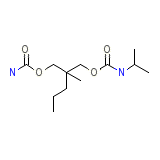
Meprocon


Meprocon Brand names, Meprocon Analogs
- Apesan
- Arusal
- Atonalyt
- Brianil
- Calenfa
- Caprodat
- Carisol
- Carisoma
- Carisoprodate
- Carisoprodatum
- Carlsodol
- Carlsoma
- Carlsoprol
- Carsodal
- Carsodol
- Coprobate
- Diolene
- Domarax
- Flexal
- Flexartal
- Flexartel
- Flibol E
- Isobamate
- Isomeprobamate
- Isopropyl Meprobamate
- Isoprotan
- Isoprotane
- Isoprothane
- Izoprotan
- Mediquil
- Meprobamate
- Meprocon
- Mioartrina
- Miolisodal
- Miolisodol
- Mioratrina
- Mioril
- Mioriodol
- Nospasm
- RELA
- Relasom
- Relax
- Sanoma
- Skutamil
- Soma
- Somadril
- Somalgit
- Somanil
- Stialgin
- Tonolyt Isopropyl Meprobamate
Meprocon Brand Names Mixture
- No information avaliable
Meprocon Chemical_Formula
Meprocon RX_link
Meprocon fda sheet
Meprocon msds (material safety sheet)
Meprocon Synthesis Reference
Meprocon Molecular Weight
Meprocon Melting Point
Meprocon H2O Solubility
Meprocon State
Meprocon LogP
Meprocon Dosage Forms
Meprocon Indication
Meprocon Pharmacology
Meprocon Absorption
Meprocon side effects and Toxicity
Meprocon Patient Information
Carisoprodol is a muscle relaxant used to relieve the pain and stiffness of muscle spasms and discomfort due to strain and sprain. Inform your physician if you are pregnant or nursing. Do not take this medication with a monoamine oxidase inhibitor. This medication may cause dizziness, drowsiness, or blurred vision; use caution while driving or operating hazardous machinery. Do not take any other sedating drugs or drink alcohol while taking carisoprodol. If dizziness occurs, avoid sudden changes in posture. Take this medication with food to avoid stomach upset. Notify your physician if you develop trouble breathing, unexplained fever, severe weakness, vision changes, swelling, or skin rash. Withdrawal symptoms may occur if therapy is suddenly stopped in a patient on long-term or high-dose therapy.